Active ingredients in skincare
May 14, 2026
INCI, Hyaluronic acid, Niacinamide, Vitamin C, Retinol, Peptides
What should you know about the most effective ingredients?
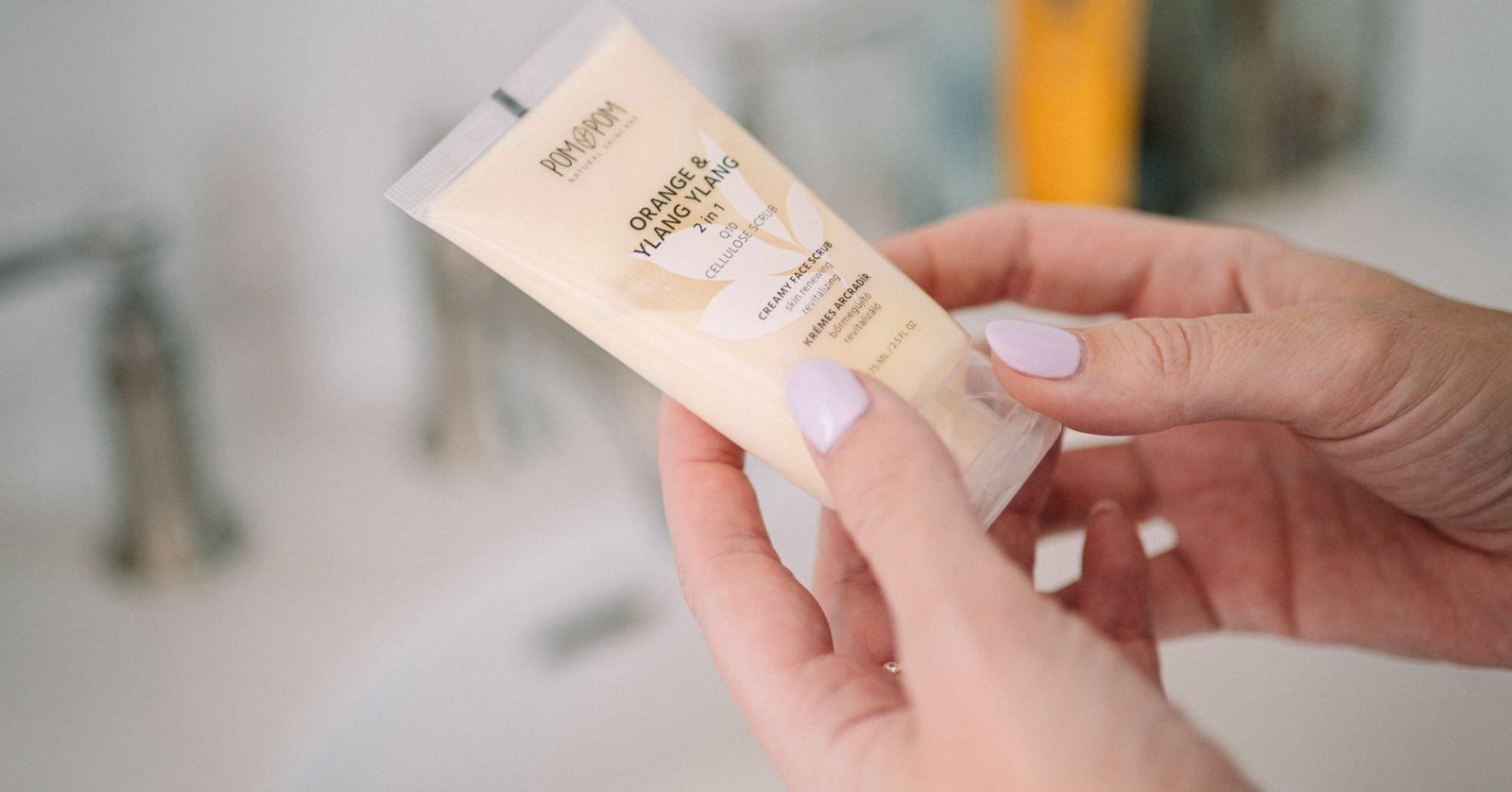
Active ingredients are the ingredients that can create truly visible changes in the condition of your skin. They can help reduce dark spots, support collagen production, calm inflammation, hydrate, or regulate sebum production. But only if you use them correctly.
"Below, we introduce five active ingredients that form the foundation of most skincare routines and help you navigate the world of INCI lists.
Hyaluronic acid (Sodium Hyaluronate)
Hydrating serums in GrailWhat is it? A natural hydrating substance that binds water molecules in the skin, making the complexion look plumper and more elastic.
- On INCI lists, it appears as Sodium Hyaluronate or Hydrolyzed Hyaluronic Acid.
- In higher concentrations, it is most often found in serums.
- Always follow with moisturizer so water does not evaporate from the skin.
Type: humectant, ideal for every skin type.
Niacinamide (vitamin B3)
What is it? A versatile active that balances skin function: it reduces inflammation, regulates sebum production, and improves skin tone.
- Effective concentration: at least 4-5%, which you should look for near the beginning of the INCI list.
- Irritation is rare, but it can feel uncomfortable when combined with other actives such as acids.
- It pairs well with vitamin C and hyaluronic acid.
Type: anti-inflammatory, barrier-supporting, dark-spot fading.
Vitamin C (Ascorbic Acid and derivatives)
Glow-boosting serums in GrailWhat is it? One of the most researched antioxidants in skincare. It helps neutralize free radicals, protecting skin from environmental damage such as UV radiation and pollution. It also makes skin tone brighter and more even, and over time supports collagen production.
Vitamin C does not always appear as Ascorbic Acid on ingredient lists. Different derivatives are used, with different stability, mechanisms, and skin tolerance:
Ascorbic Acid
The purest and strongest form. Effective at 10-20 percent, but unstable, oxidizes quickly, and needs a low pH, which can irritate sensitive skin.
Ethyl Ascorbic Acid
A stable, lipophilic form that may penetrate deeper into the skin. Gentler and less irritating, while still acting as an effective antioxidant and dark-spot fader.
Sodium Ascorbyl Phosphate (SAP)
A water-soluble vitamin C form that is gentle on skin, yet can improve skin tone over time and support collagen formation. A good choice for oily or problem-prone skin too.
Ascorbyl Glucoside
A stable vitamin C derivative combined with a sugar molecule. It activates more slowly, but is gentle and carries a lower irritation risk. With regular use, it helps even skin tone.
Magnesium Ascorbyl Phosphate (MAP)
Another gentle, stable derivative with hydrating and brightening effects. It penetrates less deeply, but is well tolerated by sensitive skin.
Pro tip: if it is near the top of the INCI list and not paired with stabilizers such as Ferulic Acid, pay close attention to shelf life and packaging.
- It is light-sensitive, so sunscreen is always required alongside it.
- If your skin is sensitive, choose gentler derivatives.
- It lasts longer in airtight packaging.
Type: antioxidant, dark-spot fading, anti-aging.
Retinols
Anti-aging products in GrailRetinoids are one of the most effective groups in skincare. This includes classic retinol and newer derivatives. These ingredients speed up skin renewal, improve texture, reduce fine lines and wrinkles, and help fade dark spots and acne marks.
Retinol can appear in different forms on INCI lists, with different strength, irritation potential, and speed of action:
Retinol
The classic form, which converts into active retinoic acid in several steps. Effective but unstable, it breaks down easily with light and air, so proper packaging is crucial.
Retinal vagy Retinaldehyde
One step closer to biologically active retinoic acid, so it works faster and stronger than retinol. It can be effective at lower concentrations while still being gentler than prescription retinoids.
Hydroxypinacolone Retinoate (HPR)
A modern, stable retinoid derivative that binds directly to retinoid receptors, making it effective and usually better tolerated.
What should you watch for when choosing a retinol product?
Use it only in your evening routine
Retinoids break down in light and can increase UV sensitivity. Sunscreen is always required during the day.
Gradual introduction is key
Start once or twice a week, then slowly increase frequency depending on how your skin reacts.
Always combine it with soothing ingredients
Well-formulated retinol products include ingredients that support tolerance, such as panthenol, bisabolol, allantoin, centella asiatica, or ceramides.
Pay attention to packaging
Retinoids are sensitive to light and air, so airtight pumps or metal tubes are ideal.
Do not combine it with too many actives at once
Retinol can increase irritation when paired with acids, strong vitamin C, or exfoliants. Use them on separate evenings instead.
What can you expect from retinol?
Retinol is not a quick fix, but an investment in your skin's future. Mild peeling or dryness can happen in the first weeks, but after 8-12 weeks of consistent use, texture can improve.
Peptides
What is it? Short amino-acid chains that send signals to the skin to boost collagen production. They help preserve firmness.
- Peptides can appear under several INCI names, such as Palmitoyl Tripeptide-1 or Matrixyl 3000.
- They are especially good for mature, thinner skin.
- They pair well with hyaluronic acid, but avoid using them at the same time as strong acids.
Type: anti-aging, firming.
How do you use them wisely?
Do not combine too many actives at once. A skin-friendly routine builds slowly. Always hydrate thoroughly and watch your skin's signals. If it becomes red, tight, or flaky, add a rest day.