Why are peptides important in skincare?
May 14, 2026
INCI, Peptides, Anti-aging, Collagen, Matrixyl
How to choose the best one for you.
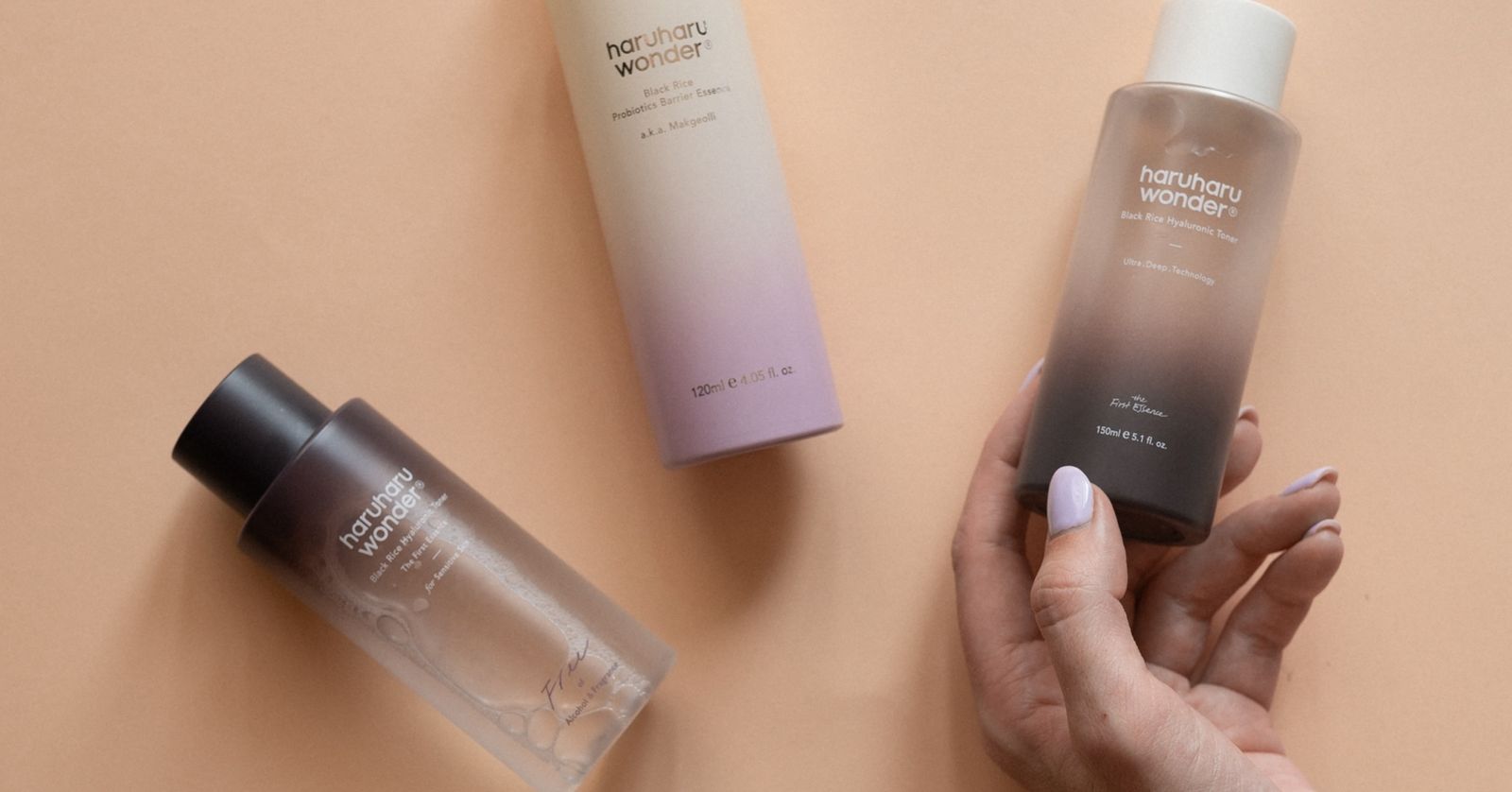
Peptides are one of the most promising groups of active ingredients in skincare, especially for anti-aging goals. They work gently but effectively on improving skin structure, help prevent wrinkles, boost hydration, and support barrier function.
What is a peptide?
Peptides are short chains of amino acids that are naturally present in the skin. When applied topically, they can send signals to the skin, for example to produce more collagen or elastin. Some peptides are soothing, while others firm or hydrate the skin.
The best-known peptide types and their effects
Anti-aging serums in GrailPalmitoyl Pentapeptide-4 (Matrixyl)
One of the first and best-known peptides. It stimulates collagen production, smooths fine lines, and with regular use can lead to visibly firmer skin.
What to watch for:
- It often appears as Matrixyl in product descriptions, but look for Palmitoyl Pentapeptide-4 in the INCI list.
- It works well in synergy with hyaluronic acid and antioxidants.
- Recommended in an evening routine, but it is not photosensitizing.
Palmitoyl Tripeptide-1 + Palmitoyl Tetrapeptide-7 (Matrixyl 3000)
A peptide combination that reduces the skin's inflammatory response and improves elasticity. It is useful for mature, sensitive, or irritation-prone skin too.
What to watch for:
- This combination is also often marketed as Matrixyl 3000.
- It can be a gentler alternative to retinol if your skin is sensitive.
- Results usually show after consistent long-term use, at least 2-3 months.
Acetyl Hexapeptide-8 (Argireline)
Often called botox light. It reduces muscle contractions, helping soften expression lines, especially on the forehead and around the eyes.
What to watch for:
- Its low molecular weight helps it absorb well into the skin.
- It has an immediate but temporary firming effect.
- It can be used in both morning and evening routines.
Copper Tripeptide-1
A copper peptide that supports wound healing and has anti-inflammatory and antioxidant properties. It helps skin regeneration and works especially well for post-acne skin damage.
What to watch for:
- It appears in INCI as Copper Tripeptide-1 or GHK-Cu.
- It is usually well tolerated by sensitive skin.
- Do not use it at the same time as acids or strong antioxidants such as vitamin C, because they can weaken each other's effect.
Signal peptides vs carrier peptides
Anti-wrinkle creams in Grail- Signal peptides: they trigger collagen production in cells.
- Carrier peptides: they help transport other actives, such as copper, to the right skin layer.
- There are also peptide complexes that combine multiple functions in one formula.
How do you choose a product with peptides?
Anti-aging creams in Grail- Look for specific peptide names in the INCI list, not just marketing claims.
- Check where they appear on the ingredient list - the higher they are, the larger the amount.
- Combine them with moisturizers or hyaluronic acid for an even better effect.
- Avoid pairing them with too many acidic or strongly exfoliating actives in the same routine.