Why is vitamin C important in skincare?
December 22, 2025
INCI, Vitamin C, Antioxidant, Glow
How to spot it on the INCI list and what to keep in mind when using it.
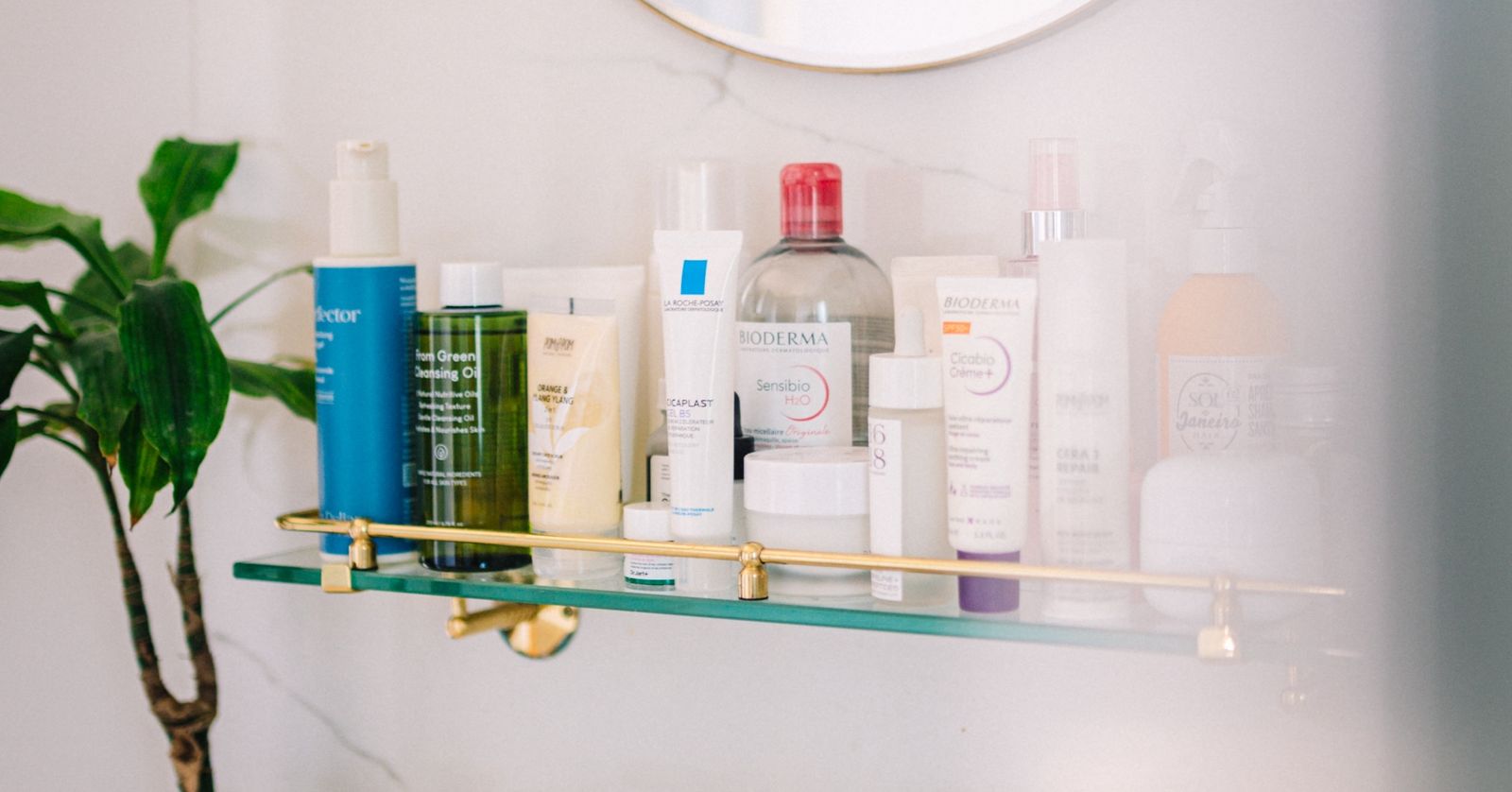
Vitamin C is one of the best-known and most researched active ingredients in skincare. It is a strong antioxidant, supports collagen production, helps fade dark spots, makes skin look brighter, and protects against environmental damage. It is no coincidence that it is a cornerstone of many skincare routines.
"The form you find in a product matters, and so does how you use it.
How do you look for vitamin C on the INCI list?
Glow-boosting serums in GrailVitamin C exists in several different forms, and each behaves differently on skin:
1. Ascorbic Acid (L-Ascorbic Acid)
This is the pure form of vitamin C. It is highly effective, but also unstable: it oxidizes quickly and needs a low-pH formula, which can irritate sensitive skin. It is usually used at 10-20% concentration.
2. Sodium Ascorbyl Phosphate
A more stable and gentler form. The chance of irritation is lower, but its effect can be less visible at lower concentrations. A good choice for beginners or sensitive skin.
3. Magnesium Ascorbyl Phosphate (MAP)
A gentle vitamin C derivative with hydrating properties. It is less active, but works well over the long term.
4. Ethyl Ascorbic Acid
A modern, stable, and well-absorbed form. It is less irritating while still being effective against dark spots and uneven skin tone.
5. Ascorbyl Glucoside
Often found in Korean and Japanese cosmetics. It is gentle, but its effect develops more slowly.
What should you watch for when using it?
Anti-aging serums in Grail1. Do not combine it with retinol
Avoid using vitamin C and retinol together, especially if both are present in active forms. They can be used on the same day, but at different times.
2. Ideal for the morning
As an antioxidant, vitamin C helps prevent sun-related damage, so it is especially recommended in a morning routine. Always follow with sunscreen.
3. Watch for oxidation
If a vitamin C serum changes color and becomes orange-brown, it means it has oxidized and is no longer, or is less, effective.
4. Introduce it step by step
If you have not used vitamin C before, start with a lower concentration such as 5-10%, two or three times a week, then gradually increase.
Tip: how the Grail app helps
Sunscreens in GrailGrail helps you recognize which vitamin C derivative is in a product, where it appears on the INCI list, and how it relates to other ingredients in your routine. This gives you a clearer idea of what to expect from a serum or cream and helps you avoid unnecessary purchases.